He Didn't Move Here for the Weather
Bud Adams was not sentimental about Houston. He was practical about money, leverage, and the future of professional football. When he packed up the Oilers and pointed them toward Nashville, the football world called it a betrayal. He called it a business decision.
Both things were true. That's what made Bud Adams interesting.
He saw something in Tennessee that the league hadn't priced yet. A state without a team. A fanbase that had been watching college football their whole lives and knew the game cold. People who would fill a stadium if you gave them a reason.
He gave them a reason.
The Part Nobody Talks About
Everyone remembers the ugly part — the Houston fans, the garbage thrown at the moving trucks, the legitimate heartbreak of a city losing its team. That wound was real. Don't minimize it.
But here's what gets buried: Adams moved the franchise before Nashville even had a permanent stadium. The Titans played their first two seasons in Memphis and Vanderbilt Stadium. The man was operating on faith and real estate projections.
That's not spin. That's a gambler who believed in the hand he was holding.
What He Built Actually Worked
The 1999 season happened. Steve McNair. Eddie George. The Music City Miracle. A Super Bowl appearance that damn near went the other way.
That was Year Two of being a real franchise. Two years. The Houston Texans didn't sniff a playoff game until their eighth season.
Adams built something fast because he hired people who could build fast. Jeff Fisher ran the locker room like it was his own house. McNair played hurt every single week and nobody complained. That culture came from ownership setting a tone.
Bad owners poison the well. Adams wasn't a perfect owner. But he let football people run football.
What He Left Behind
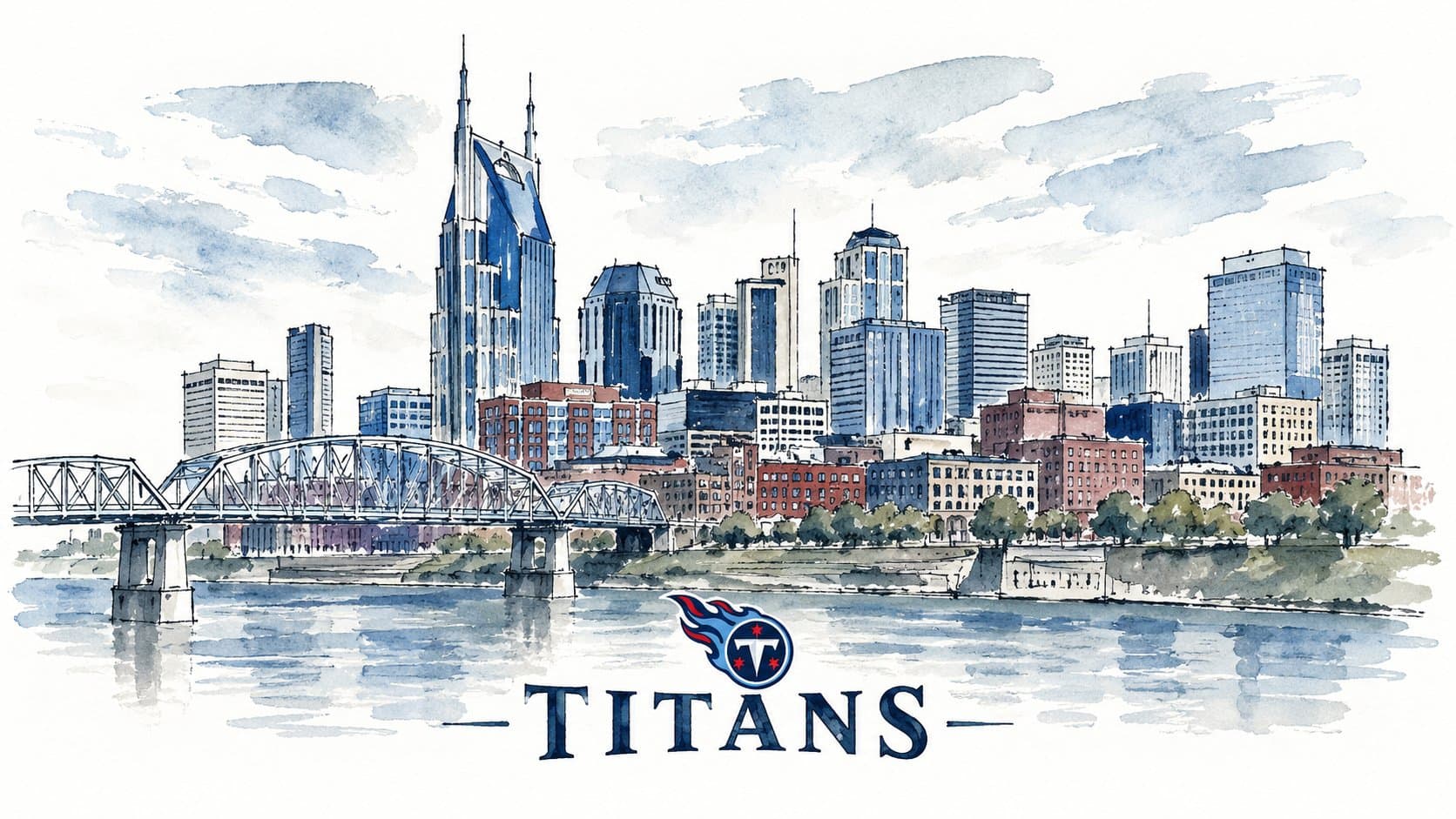
Adams died in 2013. The franchise passed to his family. The stadium he helped plant along the Cumberland River is now being replaced by a newer one across the water.
That's fine. Cities change. Stadiums change.
What doesn't change is that Tennessee has professional football because one stubborn old oilman decided it should. Fans in Nashville who've never thought twice about rooting for the Titans are the direct result of a deal cut in the mid-1990s by a man who took their loyalty on credit.
He was right that they'd pay it back.
The question now is whether the people running this franchise remember what they were trusted with.