Nobody Wanted to Be the Consolation Prize
Nashville didn't chase the Oilers. Nashville waited.
That matters. Most expansion stories start with a city begging. This one started with Bud Adams throwing a tantrum in Houston and a governor in Tennessee who recognized an opportunity when it walked through the door.
The Oilers were dying in the Astrodome. Bad attendance. Bad vibes. A fan base that had watched the franchise squander the legacy of Earl Campbell and never replace it. Adams wanted a new stadium and he wanted the city to pay for it. Houston said no. Or not enough. Depending on who you ask.
The Move Nobody Took Seriously
When Adams announced the team was heading to Tennessee in 1995, the football world laughed.
Nashville? Country music. No NFL infrastructure. A temporary stadium that was literally a college football field — Vanderbilt's. The league let this happen because Adams had the votes and Tennessee had committed public money. That's the NFL in one sentence.
But here's what gets missed: the Oilers played two seasons in Memphis first. 1997. They called themselves the Tennessee Oilers and played in the Liberty Bowl before Nashville's stadium was ready. Memphis wanted the team permanently. Nashville wanted the stadium money spent there.
Nashville won that argument. The money always wins that argument.
What the City Actually Bought
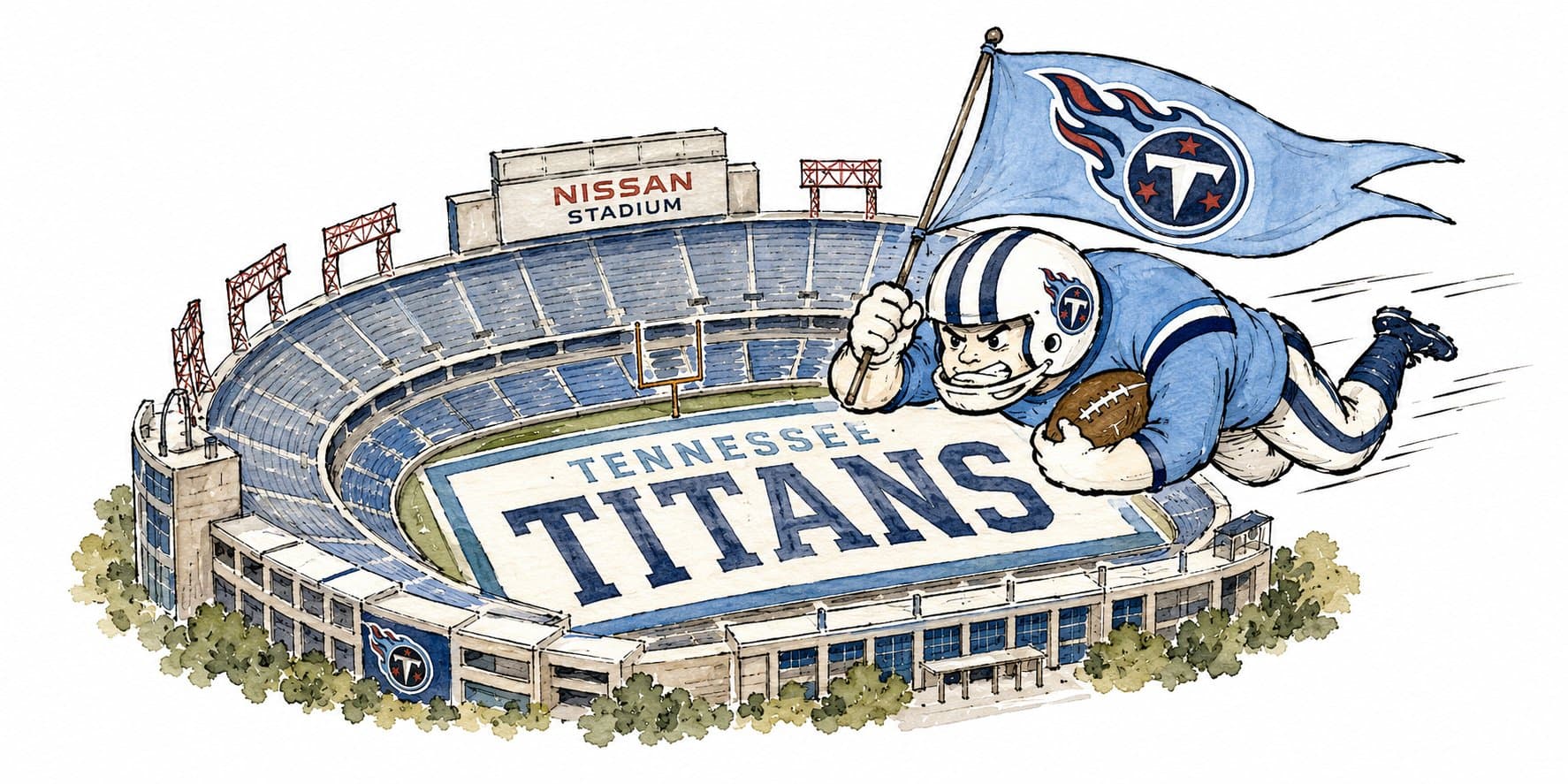
Everyone focuses on the stadium deal. The Adelphia Coliseum — now Nissan, now whatever they're calling it next — opened in 1999. $292 million. Public-heavy financing. The usual arrangement where the city fronts the risk and the owner keeps most of the upside.
But what Nashville really bought was legitimacy.
This was still a city trying to convince the country it was more than a tourist stop. The Predators came in '98. The Titans kicked off in '99. Within two years Nashville had two major league franchises and a Super Bowl appearance.
That's not coincidence. That's a city that decided what it wanted to be.
The Part Houston Never Forgave
Houston got the Texans in 2002. Expansion team. Worse roster. Started from scratch.
Adams didn't live to see much reconciliation. He died in 2013, still owning the Titans, still complicated in Houston's memory.
The real story isn't about him, though.
It's about what happens when a city stops waiting for permission to be major league. Nashville didn't get the Titans because it deserved them more than Houston. It got them because it moved faster and asked fewer questions.
Sometimes that's all it takes.
The question worth asking now: twenty-five years in, does Nashville still want this the way it did then?