
The Building Opened Promising Something It Couldn't Keep
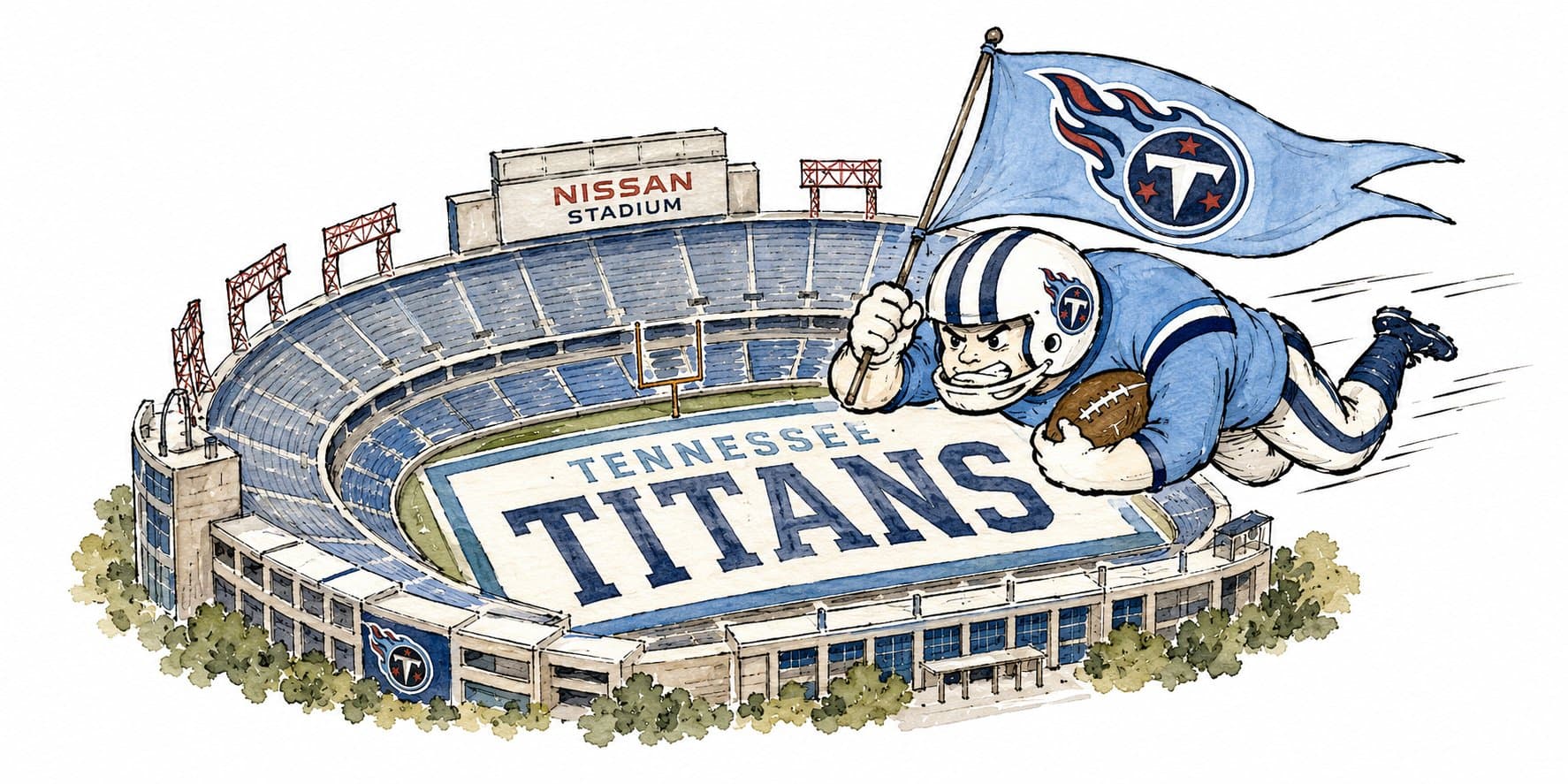
Ades Stadium — later LP Field, later Nissan Stadium — opened in 1999 as a statement. Tennessee had its team back. Nashville had its identity. The building sat 69,143, straddled the Cumberland River, and gave the Titans a home worth fighting for.
Then the fights started. With the plumbing. The drainage. The seats that cooked you in September and offered zero shelter in January.
The stadium was functionally obsolete before the Titans won their first playoff game inside it.
What the Numbers Actually Said
By 2022, Nissan Stadium ranked last or near-last in virtually every fan experience metric the NFL tracked internally. Concourse width. Bathroom ratios. WiFi infrastructure. Shade coverage. The building was designed for a league that still played in three-hour windows before smartphones existed.
The Titans averaged over 68,000 fans per game for most of the 2010s. Those people deserved better than a venue that felt like a state fairgrounds pavilion with end zones.
Coach Vrabel used to joke — half-joking — that the visiting locker room had better drainage than the Titans' own sideline tunnel. That's not a roast. That's a maintenance log.
The Decision That Took Too Long
Nashville and the Titans announced the new domed stadium framework in 2022. $2.1 billion project. Public-private split. Expected opening in 2027. The new building will seat approximately 60,000 with expansion capacity and will be built on the same East Bank footprint.
What that timeline means: the franchise played 26 seasons in a building that was visibly aging by season eight.
For context, the Cowboys opened AT&T Stadium in 2009 — ten years into their previous building's life. The Titans held on another fifteen years after that.
What Gets Lost When We Say 'Long Overdue'
Nissan Stadium wasn't just bad infrastructure. It was a specific kind of neglect — the kind where a city and ownership group both knew the problem, both deferred the cost, and both let ordinary fans absorb the difference in sweat and cracked seats.
The Titans played the 2019 playoff run — the miraculous run that ended in New England — in a building with standing water in the lower bowl concourse after heavy rain.
That team deserved a better stage. That city deserved a better stage.
The New Building Isn't the Story
The new stadium will be fine. Probably excellent. Climate-controlled, revenue-optimized, ready for a Super Bowl bid within five years of opening.
The story is what it says about institutional patience — that 26 years of mediocre infrastructure became normalized because the football was occasionally great enough to distract everyone.
A building doesn't make a team. But it tells you how seriously the people running things take the people buying the tickets.
The Titans finally got serious. Better late than never — but let's not pretend it wasn't late.