A Building That Lied About Its Ambitions
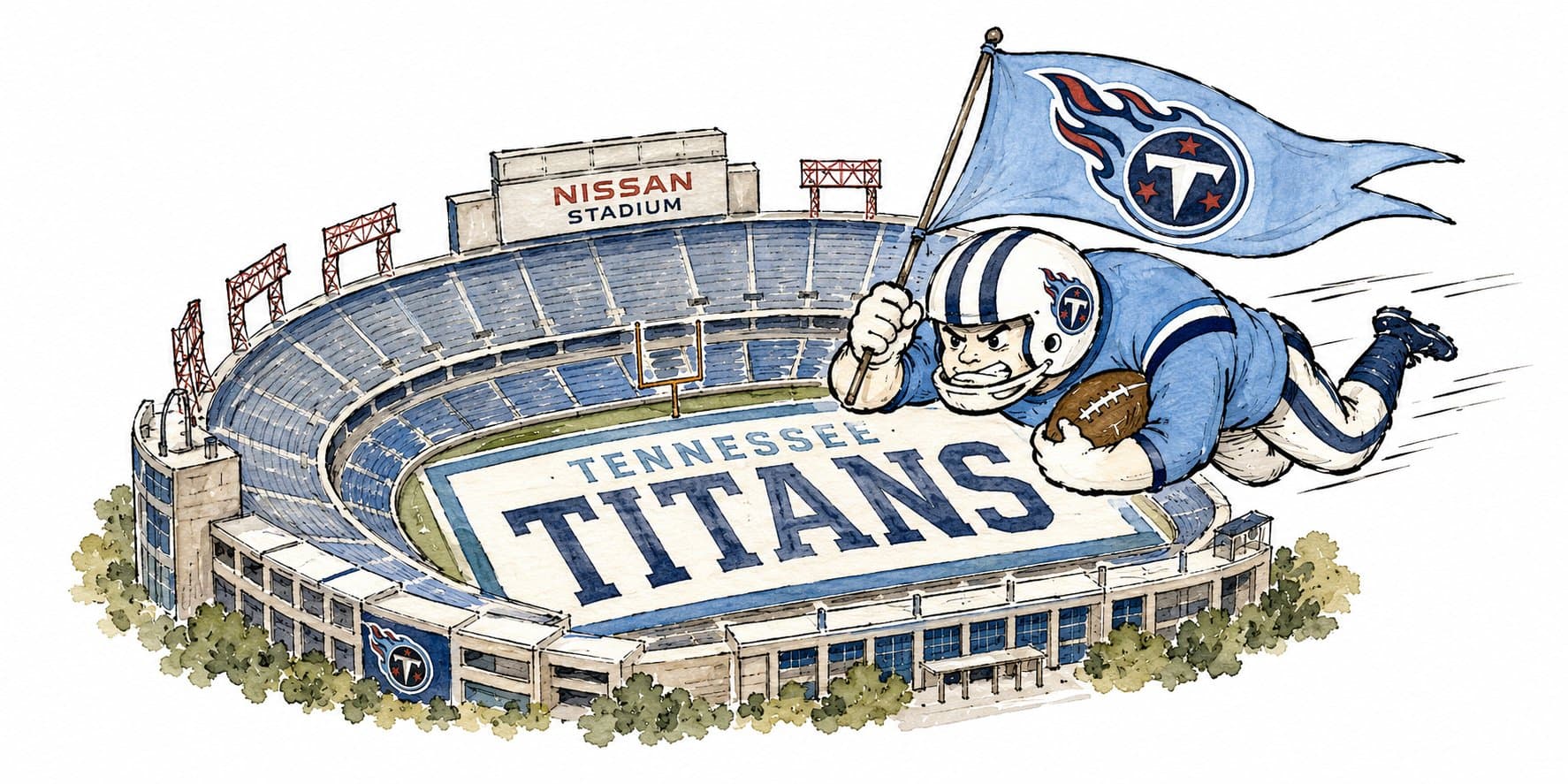
Nissan Stadium opened in 1999 with the kind of civic pride that makes people ignore bad architecture. Nashville had an NFL team. The building existed. That felt like enough.
It wasn't enough. It was never enough.
The stadium opened with exposed concrete, obstructed sightlines, and a design philosophy best described as "functional and forgettable." The Adelphia Coliseum — as it was then called — looked like a parking garage that got ambitious on a Tuesday afternoon. Nobody said it out loud because Nashville was just happy to have arrived.
But arrival and destination are two different things.
Twenty-Five Years of Duct Tape and Apology
Titans fans know the building's real history better than any press release will tell you. They know the concourses that bottleneck like a highway on-ramp. They know the seats where you watch the scoreboard instead of the field because the sight lines are genuinely offensive. They know the rain that finds you anyway, even in the covered sections.
Management spent two decades doing what organizations do with aging infrastructure — patching, apologizing, and calling cosmetic upgrades "improvements." New paint on a bad foundation is still a bad foundation.
The flooding didn't help. The Cumberland River reminded the city twice — in 2010 and again in 2021 — that you don't build a permanent civic identity on a floodplain and hope for the best. The stadium survived both times. But survival isn't the same as thriving.
What the New Stadium Admits Out Loud
The new domed stadium project, scheduled to open in 2027, isn't really a stadium story. It's an admission.
It admits Nashville became a top-ten American city while its NFL venue stayed stuck in 1999. It admits the league passed this building by. It admits that "adequate" is a slow death sentence for a franchise trying to attract free agents, Super Bowls, and the kind of national attention that turns a mid-market team into a brand.
Domed. Climate-controlled. Built for concerts, college football playoffs, and the full menu of what a modern multipurpose venue has to do to justify its price tag. The Titans aren't just building a stadium. They're buying legitimacy they should have had fifteen years ago.
The Uncomfortable Question
Here's what nobody wants to say at the ribbon-cutting: Nashville waited too long, and the team paid for it in lost relevance during the years they needed relevance most.
The new stadium won't fix that history. But it'll finally give this city a building that matches its own ambition.
That's not a small thing. It just should have happened sooner.